What CBD Cat Treats Actually Contain
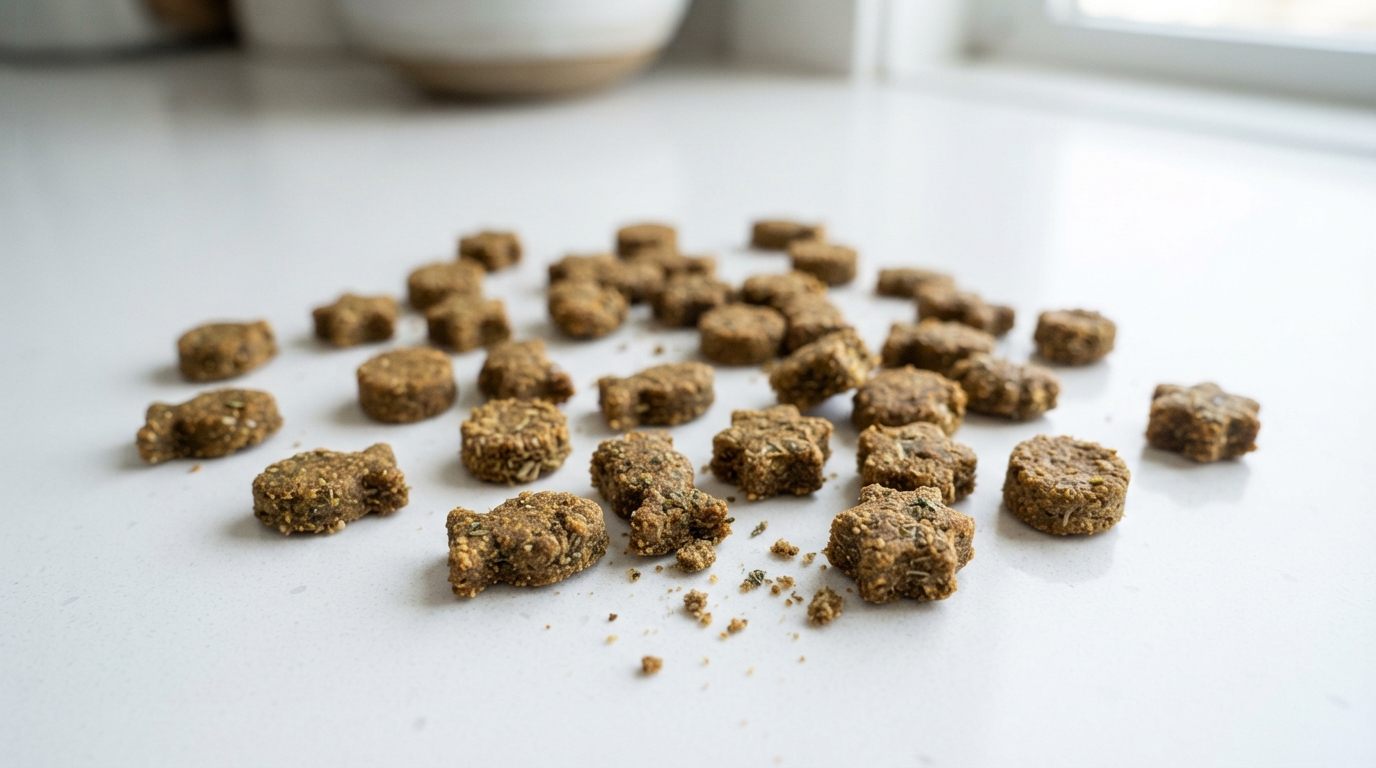
Pick up two bags of Holistapet CBD cat treats from two different brands and the ingredient lists rarely match, even when both claim the same milligram dose on the front label. The hemp extract itself is only one part of the formula, and the rest of the list explains a lot about quality, texture, and how a cat’s body will process the product.
The Hemp Extract Itself
CBD comes from the flowers and leaves of the hemp plant, a variety of Cannabis sativa bred to contain low levels of THC. The extraction method used to pull cannabinoids out of the plant material affects both cost and purity.
CO2 extraction is the industry standard for higher-end products. It uses pressurized carbon dioxide instead of chemical solvents, leaving little to no residue behind. Ethanol extraction is cheaper and still common, and when done correctly produces a clean product as well. Butane or hexane extraction, used by lower-cost manufacturers, carries more risk of solvent residue if the process isn’t fully purged. This is one reason lab testing matters more than marketing language like “premium” or “pharmaceutical grade,” terms that carry no regulatory meaning in this industry.
Carrier Ingredients and Fillers
CBD is fat-soluble, so it needs to be suspended in something before it can be baked or mixed into a treat. Most brands use MCT oil (derived from coconut) or hemp seed oil as the carrier. Both are considered safe for cats in small quantities.
Beyond the carrier, the base of the treat is where quality diverges most:
- Single-source proteins (chicken, salmon, duck) tend to cause fewer digestive issues than treats with multiple protein sources or unnamed “meat meal”
- Grain-free formulas using pea flour or tapioca starch suit cats with grain sensitivities, though true grain allergies in cats are less common than marketing suggests
- Added taurine supports heart and eye health and is worth looking for regardless of the CBD angle
- Artificial colors and flavors add nothing functional and are best avoided
Full-Spectrum vs Broad-Spectrum vs Isolate
This distinction shows up on almost every label and confuses more buyers than it should.
| Type | Contains | THC Level | Best For |
|---|---|---|---|
| Full-spectrum | CBD plus other cannabinoids, terpenes, trace THC | Up to 0.3% | Owners comfortable with trace THC |
| Broad-spectrum | CBD plus other cannabinoids and terpenes, THC removed | 0% (in theory) | Owners wanting variety without THC |
| Isolate | Pure CBD only | 0% | Owners wanting the simplest formula |
Full-spectrum products are built around the “entourage effect,” a theory that cannabinoids work better together than in isolation. The theory has support in human research but very little direct study in cats specifically. Isolate-based treats are the most straightforward to dose accurately since there’s only one active compound to account for.
Reading the Label Front to Back
Front-of-package claims are unregulated in this category. A bag can say “calming” or “supports joint health” without the FDA reviewing that claim, because CBD is not an approved animal drug ingredient. The back of the label, specifically the supplement facts panel and ingredient list, carries more reliable information.
Look for:
- CBD content per treat, not just per bag
- A named hemp source (state or country of origin)
- A batch or lot number tied to a specific COA
- Feeding guidelines based on cat weight
If a company only lists “proprietary hemp blend” without a milligram figure, treat that as a red flag rather than a selling point.
Final Thoughts
Ingredient transparency separates a functional product from a guess. The extraction method, carrier oil, and cannabinoid type all shape what actually reaches a cat’s system, regardless of what the front of the bag promises.