CBD Oil for Cats: Feline Wellness Guide
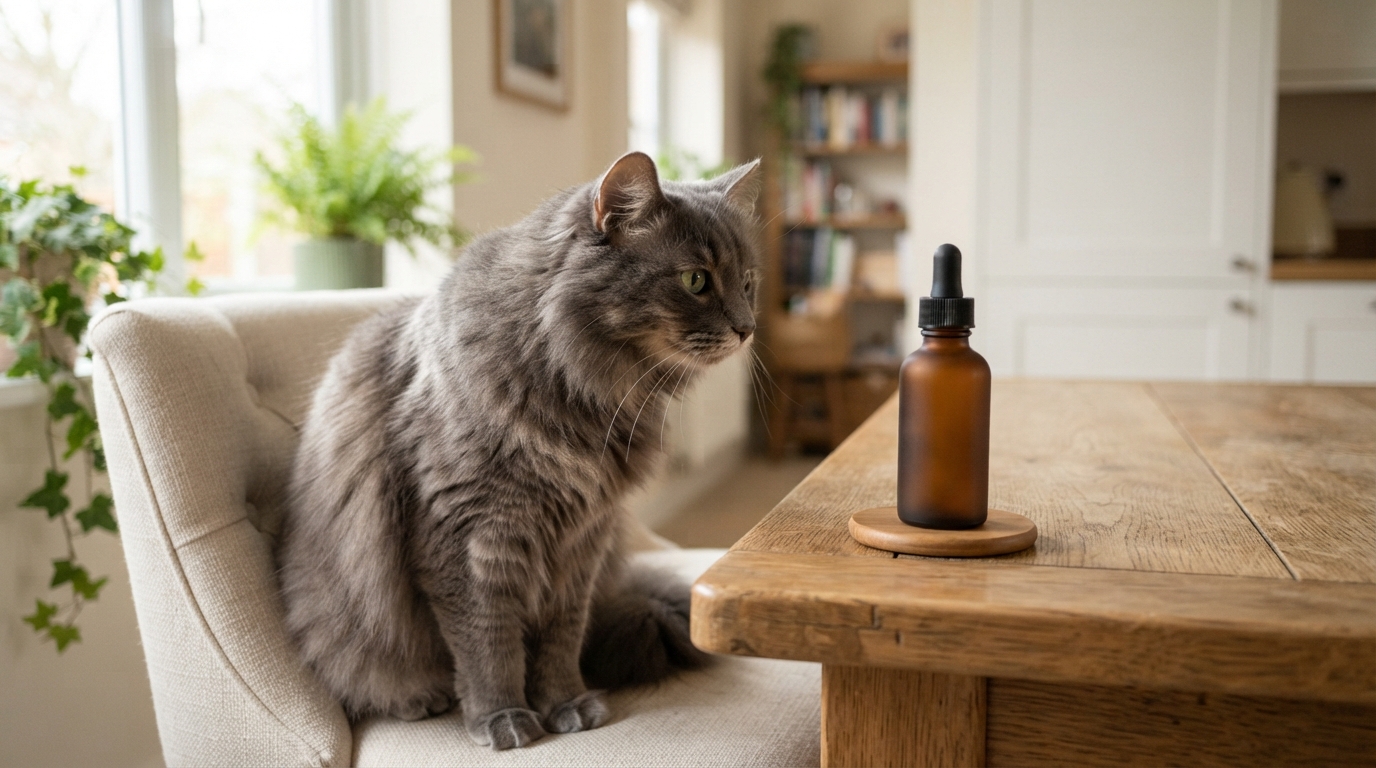
Cats often hide discomfort, which can make changes in appetite, movement, sleep, grooming, or behavior difficult for owners to interpret. A supplement may seem like a simple addition to a daily routine, but cats have different metabolic needs from people and dogs. Interest in Holistapet CBD Oil for Cats has increased as pet owners look for information about cannabidiol, its potential uses, product quality, and possible risks. Understanding the current evidence is more useful than relying on broad claims printed on product labels. CBD may be worth discussing with a veterinarian in certain situations, but it should not be treated as a universal solution for feline health concerns.
What Makes CBD Different for Cats?
Cannabidiol, commonly called CBD, is a compound associated with the cannabis plant. It belongs to a group of substances known as cannabinoids. CBD is different from THC, the cannabinoid responsible for the intoxicating effects associated with marijuana. This distinction is especially important for cats because THC exposure can produce toxic effects.
Cats may encounter cannabinoids through oils, edible products, plant material, or accidental access to household cannabis products. The signs of exposure can vary depending on the amount and substance involved. Possible signs include unusual sleepiness, weakness, poor coordination, vomiting, excessive drooling, changes in body temperature, tremors, urinary changes, and seizures in more serious cases.
Why a cat’s body requires special consideration
A cat’s digestive and metabolic systems do not work exactly like those of a human. Cats also have particular limitations in how their bodies process certain substances. This means that information about CBD use in humans cannot simply be transferred to feline care.
Research involving dogs may also provide useful scientific clues, but canine findings do not automatically establish a suitable feline dose. Species differences matter. A product that has been tolerated by one animal may produce a different response in another.
The same principle applies to weight-based dosing. A 10-pound cat and a 10-pound dog do not necessarily require the same amount of a cannabinoid product. Body weight is only one part of a much larger safety assessment.
Potential Reasons Owners Ask About CBD
Interest in feline CBD commonly centers on issues such as discomfort, anxiety, age-related changes, and general wellness. These areas are still being studied, and evidence varies depending on the condition and type of research available.
Pain and mobility are among the subjects that have received attention in companion-animal cannabinoid research. Older cats, for example, may gradually become less active or stop jumping onto furniture. Such changes can sometimes be related to arthritis or another medical condition. A supplement should not replace an examination because reduced activity can have several possible causes.
Common situations that require a closer look
Before considering any supplement, changes in a cat’s behavior should be assessed carefully.
- A sudden decrease in appetite can be associated with dental disease, gastrointestinal problems, infection, kidney disease, or other conditions.
- Hiding more frequently may indicate stress, pain, or illness.
- Reduced jumping can occur with joint discomfort, injury, weakness, or neurological problems.
- Excessive grooming may be related to skin irritation, allergies, parasites, pain, or anxiety.
- Changes in litter-box habits can point to urinary, gastrointestinal, or behavioral concerns.
These signs should be evaluated based on the whole picture. Treating the visible behavior without identifying the underlying cause can delay appropriate care.
CBD and anxiety-related questions
Some owners become interested in CBD when a cat reacts strongly to travel, visitors, loud sounds, environmental changes, or other stressful situations. Anxiety in cats can have many causes, and management often starts with environmental adjustments.
A quiet resting area, predictable feeding schedule, gradual exposure to unfamiliar situations, suitable hiding spaces, and appropriate enrichment can help reduce stress. Veterinary guidance may be needed when fear or anxiety becomes persistent or interferes with eating, sleeping, grooming, or normal activity.
CBD research involving anxiety remains limited, particularly in cats. A product should therefore not be presented as a proven feline anxiety treatment.
Choosing a Product Requires More Than Reading the Front Label
Pet supplements can differ considerably in concentration, ingredients, manufacturing standards, and labeling. A bottle that says “hemp� or “natural� does not provide enough information to determine whether the product is appropriate for a cat.
A useful label should identify the cannabinoid content and provide clear serving information. The total amount of CBD in the bottle and the amount per measured serving are different figures. Confusing those numbers can lead to accidental overuse.
Information worth checking
A careful review of the package can include:
- Total CBD concentration
- Amount of CBD per serving
- THC disclosure
- Complete ingredient list
- Batch or lot information
- Manufacturer contact information
- Recommended species
- Storage instructions
- Expiration or best-before information
A third-party laboratory report may provide additional information about cannabinoid concentrations and contaminants. Such reports can be useful when they correspond to the exact product batch rather than a generic document covering an entire product line.
Ingredients deserve attention as well. An oil formulated for people may contain flavorings, essential oils, or other substances that are unsuitable for cats. Products should never be selected based only on the amount of CBD listed on the bottle.
Why Dose Calculations Can Be Misleading
Online searches often produce CBD dosing charts that appear straightforward. A chart may calculate an amount according to body weight and make the process seem similar to measuring a routine medication. Feline CBD use does not have one universally accepted dosing standard that applies to every cat.
Concentration creates another problem. Suppose two bottles each contain 300 milligrams of CBD. If one bottle contains 30 milliliters of oil and the other contains 60 milliliters, the concentration per milliliter is different. The same number of drops would therefore not necessarily provide the same amount of CBD.
A simple concentration example
Consider two hypothetical products:
| Product | Total CBD | Oil volume | CBD concentration |
|---|---|---|---|
| Product A | 300 mg | 30 mL | 10 mg/mL |
| Product B | 300 mg | 60 mL | 5 mg/mL |
| The bottles contain the same total amount of CBD, but Product A has twice the concentration per milliliter. This illustrates why counting drops without checking concentration can create dosing errors. | |||
| Drop size can also vary between droppers and formulations. Measuring by milliliters is generally more precise than estimating the number of drops, but the appropriate amount for a cat still requires veterinary judgment. |
Medication Interactions Should Be Considered
Cats may receive medications for conditions involving the kidneys, heart, thyroid, digestive system, nervous system, skin, or other organs. Adding CBD to an existing medication routine can create questions about how the substances are processed together.
CBD may influence enzymes involved in drug metabolism. The clinical significance depends on the particular medication, dose, and animal. For that reason, a veterinarian should know about every supplement, medication, and herbal product a cat receives.
A written list can make a veterinary appointment easier. Include prescription medications, over-the-counter products, supplements, flea and tick treatments, and any recently introduced foods or treats.
Situations requiring extra caution
Veterinary guidance becomes especially important when a cat:
- Has liver or kidney disease
- Takes several medications
- Is pregnant or nursing
- Is very young or elderly
- Has a history of seizures
- Has unexplained vomiting or appetite loss
- Has recently undergone surgery
- Has shown an unusual reaction to a supplement before
These circumstances do not automatically mean CBD is appropriate or inappropriate. They simply increase the need for individualized assessment.
Practical Steps for Responsible Use
If a veterinarian agrees that a cannabinoid product can be considered, the process should remain organized. Use the exact product discussed with the veterinarian rather than switching between brands or concentrations without notice.
Record the product name, concentration, date introduced, amount given, and any changes observed. A simple written log can help identify patterns that might otherwise be missed.
A cat’s response should be assessed over time rather than judged from a single moment. Changes in appetite, stool, activity, alertness, grooming, balance, and behavior can provide useful information.
If concerning symptoms appear after administration, further doses should not be given without professional advice. Severe symptoms, accidental ingestion of an unknown product, or suspected THC exposure warrant prompt veterinary attention.
Keeping Expectations Grounded
The pet supplement market contains many products supported by strong marketing language. Words such as “calming,� “therapeutic,� “natural,� or “wellness� do not establish clinical effectiveness. Scientific evidence must be evaluated separately from advertising claims.
The FDA has not approved cannabis products for treating animals, and veterinary cannabinoid research remains an evolving field. That does not mean every CBD product is automatically harmful, but it does mean that claims about guaranteed benefits, disease treatment, or universal dosing should be treated cautiously.
For cat owners, the most useful approach is straightforward: identify the health concern, determine whether veterinary evaluation is needed, examine the exact product, and understand what is known and unknown about its use.
Final Thoughts
CBD remains an area of interest in feline health, but cats require species-specific consideration and careful attention to product concentration, ingredients, medications, and possible adverse reactions. Veterinary guidance provides the clearest way to determine whether a cannabinoid product belongs in an individual cat’s care plan.