Melatonin for Dogs: Understanding Sleep Support
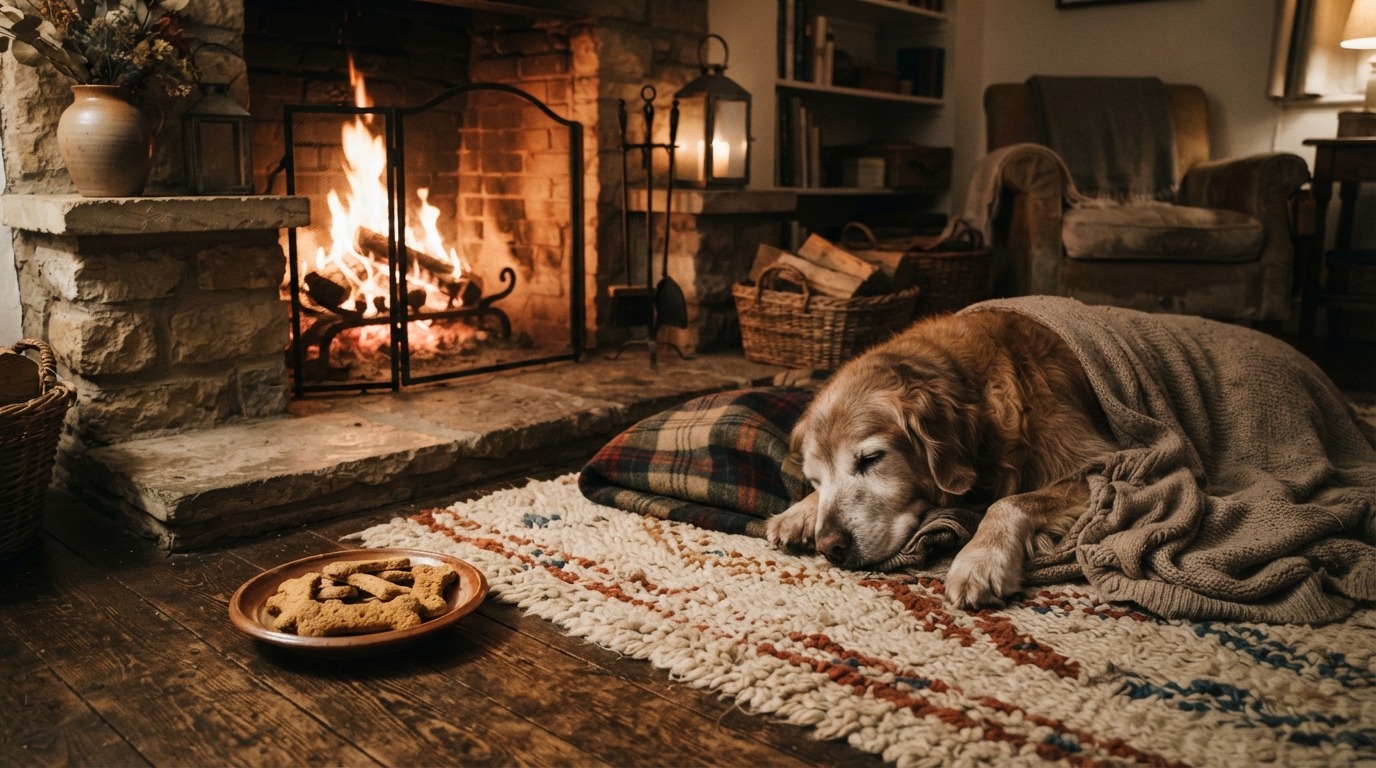
A quiet house does not always mean a sleeping dog. Some dogs remain active after bedtime, move between rooms, or wake several times during the night. When this behavior becomes frequent, it is useful to examine the dog’s routine and health before choosing a supplement.
Melatonin naturally occurs in the canine body and helps coordinate biological rhythms. Interest in Holistapet Melatonin for Dogs often comes from its connection with sleep and the body’s response to darkness. Veterinary advice is important because the same nighttime behavior can have several different causes.
The Science Behind Canine Sleep
Melatonin is produced mainly by the pineal gland. The body responds to the daily light-dark cycle, with melatonin production generally increasing during darker periods.
This hormone is one part of the circadian system. It does not work alone. Activity, feeding, environmental light, temperature, and daily habits also influence the timing of rest and wakefulness.
Dogs have their own circadian rhythms, but their sleep schedule is more flexible than a human’s. Many dogs sleep in several periods rather than remaining asleep for an entire night.
A healthy adult dog may sleep approximately 12 to 16 hours in a day. Puppies and senior dogs often require additional rest.
Sleep Amount Versus Sleep Quality
The number of hours a dog sleeps does not tell the entire story.
A dog may sleep for many hours during the day and still have a disrupted nighttime pattern. Another dog may wake briefly several times without showing any sign of distress.
More concerning signs include persistent pacing, repeated vocalization, confusion, excessive panting, or an inability to settle.
The change from normal behavior is often more informative than the exact number of hours spent sleeping.
Common Reasons for Sleep Disruption
A dog’s environment can affect nighttime behavior. Outdoor noises, household appliances, unfamiliar smells, and nearby animals may keep a sensitive dog alert.
Changes inside the home can also matter. A new baby, another pet, relocation, a different work schedule, or changes in sleeping arrangements can disturb a familiar routine.
Medical problems should remain part of the assessment.
Joint discomfort can make lying down difficult. Urinary issues can cause repeated waking. Digestive problems, skin irritation, and respiratory symptoms can also interfere with rest.
Senior dogs may show changes related to cognitive aging. These changes can include nighttime wandering, altered sleep patterns, confusion, and vocalization.
Signs That Suggest a Medical Check
A veterinarian should be considered when sleep disruption occurs with other symptoms such as:
- Sudden appetite changes
- Increased thirst
- Frequent urination
- Difficulty walking
- Repeated vomiting
- Persistent diarrhea
- Significant weight changes
- New confusion
- Unusual aggression
- Persistent panting
- Signs of pain
These signs do not identify a specific condition, but they make simple behavioral explanations less certain.
Potential Uses of Melatonin
Veterinary sources describe melatonin as a possible option in selected canine cases. Its use has been discussed for sleep disturbances, certain anxiety-related situations, and some hair-loss conditions.
The amount of scientific evidence varies among these applications.
For sleep-related concerns, the connection between melatonin and circadian rhythms provides a reasonable biological basis for veterinary consideration. Still, not every dog with poor sleep requires melatonin.
A dog may instead need changes to the environment, treatment for discomfort, behavior modification, or evaluation for an underlying condition.
When Routine Changes May Come First
If nighttime restlessness began after a household schedule changed, restoring a predictable routine may be a sensible first step.
For example, meals can remain consistent, daytime exercise can occur at appropriate times, and bedtime can be kept reasonably stable.
A dog that wakes because of outside noise may benefit from moving the sleeping area. A dog that becomes active because of boredom may need more appropriate daytime activity.
Small changes can sometimes reveal whether the problem is environmental.
Product Safety Matters
Melatonin products can contain more than melatonin. Human supplements may include sweeteners or additional compounds that are unsuitable for dogs.
Xylitol is particularly dangerous. The FDA states that xylitol is toxic to dogs and can produce severe hypoglycemia. It may appear in sugar-free foods, supplements, chewable products, and certain medicines.
This is why the complete ingredient list needs to be checked before a product is given to a dog.
Product Comparison Factors
| Factor | What to examine |
|---|---|
| Active ingredient | Amount of melatonin per serving |
| Sweetener | Check specifically for xylitol |
| Additional ingredients | Herbs, vitamins, minerals, or medications |
| Form | Tablet, capsule, liquid, or chew |
| Concentration | Amount per unit |
| Release type | Immediate or extended release |
| Intended species | Human or veterinary formulation |
| Storage | Secure location away from pets |
A label provides useful information, but it does not replace veterinary guidance.
Dosage and Individual Differences
Melatonin dosage should be individualized. Dogs vary in body size, age, health, and sensitivity to supplements.
A veterinarian may also consider the reason for use. The approach for a sleep-wake problem may differ from the approach used for a hair-growth condition.
Current medications are another consideration. Melatonin may interact with certain medications, and additional sedation may occur when substances with sedating effects are combined.
Why Veterinary Advice Helps
A veterinarian can determine whether a sleep change is likely to be behavioral, environmental, or medical. That assessment can prevent a supplement from being used when another form of treatment is more appropriate.
It also allows the exact product and concentration to be reviewed.
This becomes particularly important for senior dogs, puppies, dogs with chronic disease, and dogs taking prescription medication.
Managing Nighttime Anxiety
Some dogs become restless because they are anxious rather than because they are simply unable to sleep.
Thunderstorms and fireworks can create predictable episodes. Travel and unfamiliar environments may produce similar reactions.
A calm sleeping environment can reduce stimulation. Curtains can block flashes from lightning, while background noise may reduce the impact of outside sounds.
A dog with serious anxiety may need a behavior modification program and possibly veterinary medication. Melatonin should not be treated as a complete anxiety treatment.
Preparing Before a Stressful Event
If a predictable event is approaching:
- Provide exercise earlier in the day.
- Prepare a quiet resting area.
- Keep familiar bedding nearby.
- Reduce access to frightening outdoor sights.
- Keep household activity calm.
- Follow veterinary instructions if medication or supplements are prescribed.
Planning before the stressful event can be more effective than reacting after the dog becomes highly distressed.
Senior Dogs and Sleep-Wake Changes
Older dogs may gradually change their sleeping habits. More daytime sleeping combined with nighttime activity can occur with cognitive decline.
A senior dog may also experience physical discomfort that makes sleep difficult. Arthritis, dental problems, urinary conditions, and sensory changes can influence behavior.
A new sleep problem in an older dog should therefore receive attention.
Keeping a Sleep Record
A short record can include bedtime, waking times, nighttime behavior, bathroom trips, food and water changes, and daytime activity.
This information can help identify whether the pattern is consistent or linked to particular events.
It can also make a veterinary consultation more useful because the behavior can be described with specific examples rather than general impressions.
Safe Storage Is Part of Supplement Safety
Supplements should be kept in their original containers and stored where dogs cannot reach them. FDA guidance emphasizes secure medication storage because pets can accidentally consume products intended for themselves, other animals, or people.
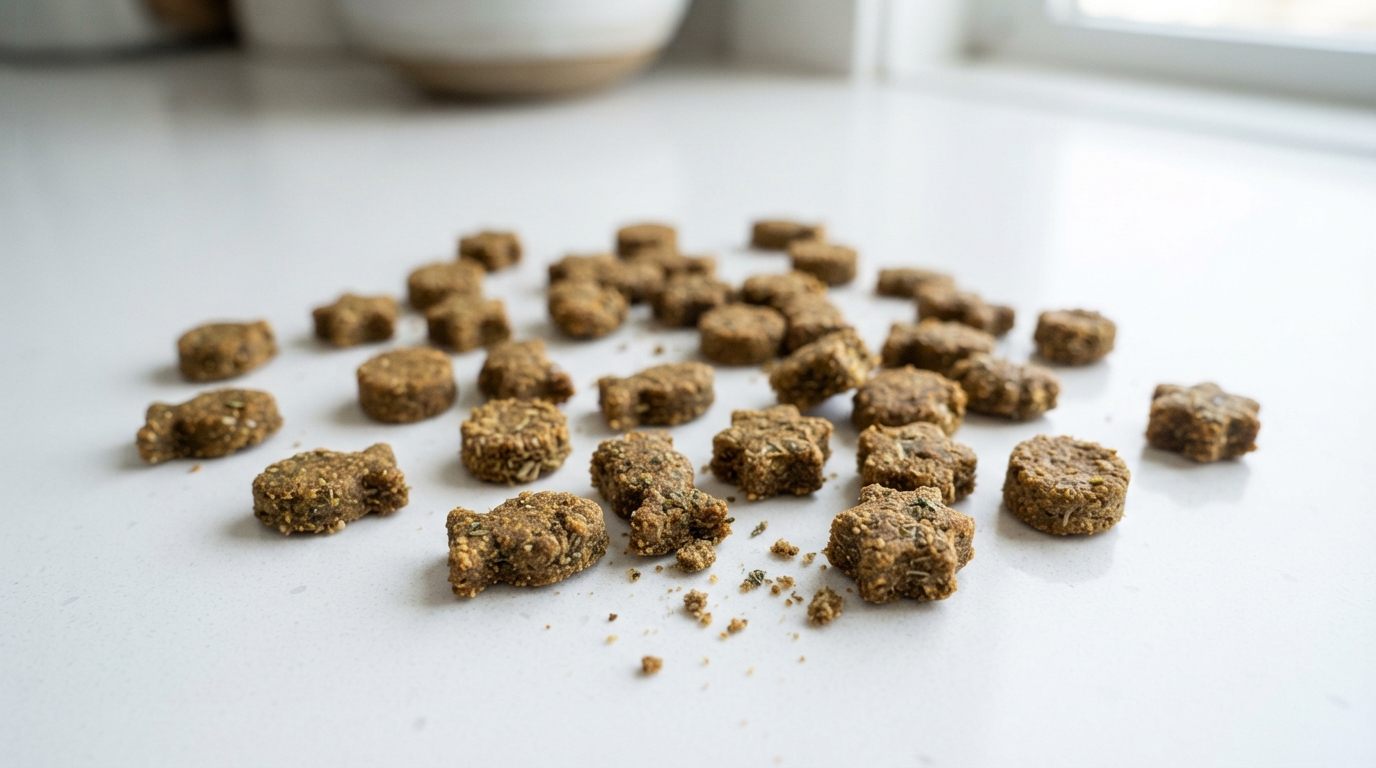
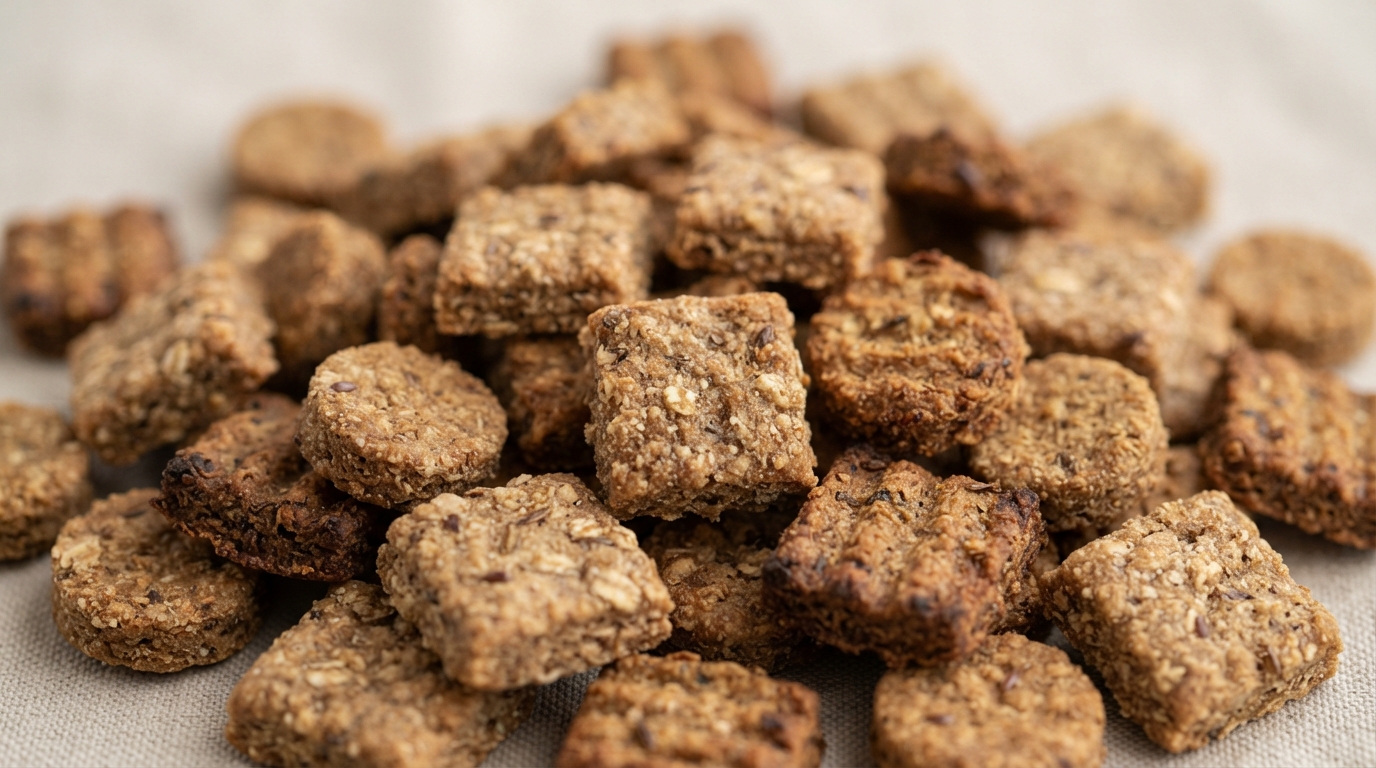
Flavored chews deserve special attention because dogs may find them appealing.
If accidental ingestion occurs, the product label should be available when contacting a veterinarian. The amount consumed and the complete ingredient list can help determine the appropriate response.
Final Thoughts
Melatonin has a legitimate biological connection with sleep regulation, but canine sleep problems can have many causes. Safe use depends on understanding the dog’s behavior, selecting an appropriate product, and obtaining veterinary guidance when supplementation is being considered.