CBD Dog Treats and Responsible Pet Choices
Treats are a familiar part of life with a dog. They can be used during training, offered after grooming, or given as an occasional snack. Products containing cannabidiol require a different level of attention because CBD is still being studied in animals, and veterinary regulators have raised concerns about product quality, safety, and unproven health claims.
For that reason, Holistapet CBD Dog Treats should be evaluated through several practical questions rather than a single promise printed on a package. Understanding the ingredient, checking the concentration, reviewing the rest of the formula, and considering the dog’s health history can help prevent careless decisions.
What Makes CBD Treats Different?
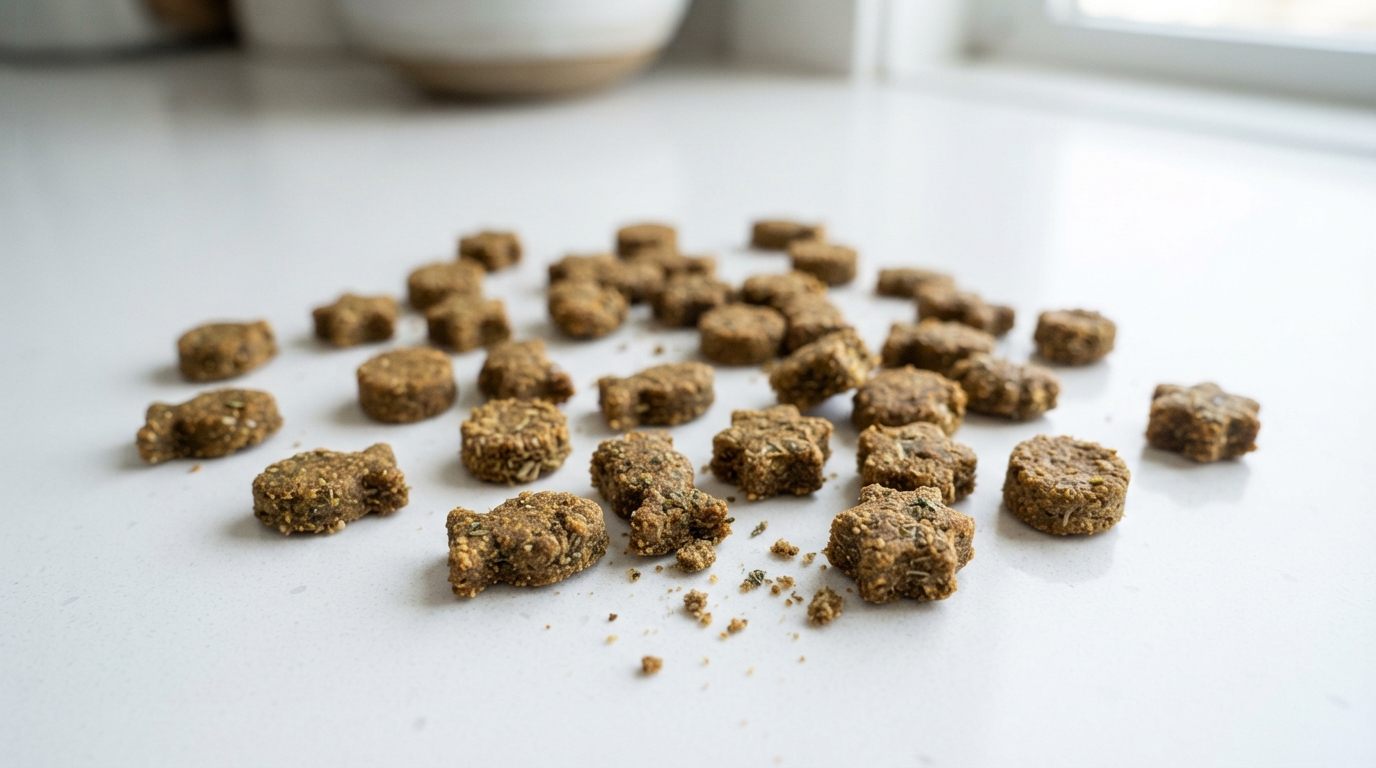
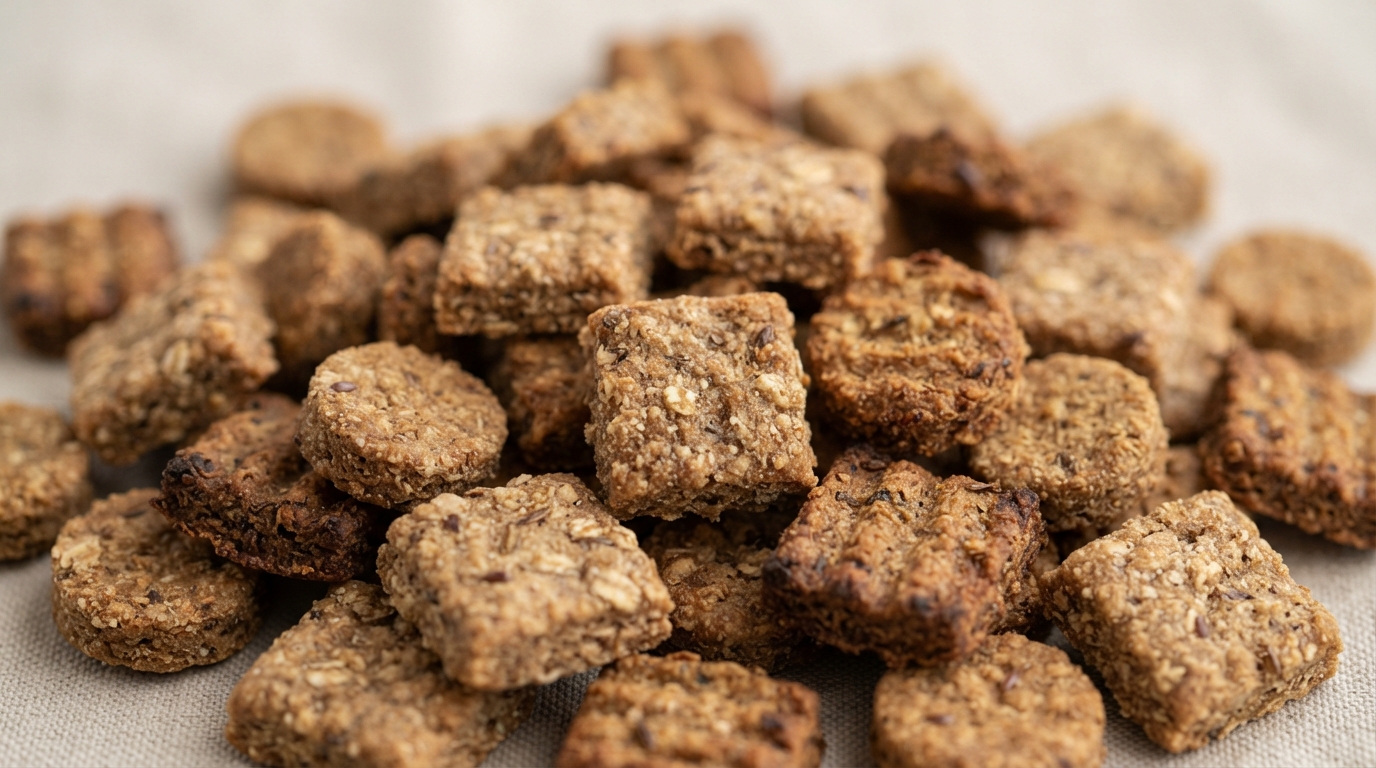
A CBD treat is generally a conventional-looking dog snack with cannabidiol added to the formula. The treat may resemble a biscuit, soft chew, jerky-style snack, or another familiar format. The appearance tells very little about the amount of CBD inside.
CBD is one of many cannabinoids found in cannabis plants. THC is another cannabinoid, and it has intoxicating effects that CBD does not typically produce. That distinction matters because dogs can experience adverse effects after cannabis exposure, particularly when THC is involved.
The U.S. Food and Drug Administration has not approved cannabis for use in animals and has stated that it cannot ensure the safety or effectiveness of cannabis products marketed for pets. The agency has also warned consumers about products promoted with unsupported medical claims.
Read the Label Before the Marketing
A useful first step is to ignore the front of the package temporarily and examine the information panel. Product names and advertising phrases can create an impression about what a treat does, while the ingredient panel provides more concrete information.
Look for the amount of CBD per treat rather than relying only on the total amount contained in the package. For example, a bag containing 300 milligrams of CBD does not tell the buyer how much is present in each piece unless the number of treats is also known.
The following details can make a product easier to evaluate:
- CBD amount per serving
- Number of treats in the package
- Complete ingredient list
- Stated THC content
- Batch or lot number
- Expiration date
- Manufacturer contact details
- Testing information
- Feeding directions
A certificate of analysis can be useful when it is specific to the product or batch. Laboratory testing may provide information about cannabinoid concentrations and certain contaminants, although the existence of a laboratory report does not by itself prove that a product is effective for a medical condition.
Hemp Does Not Automatically Mean Safe
The word “hemp� can create confusion. Hemp is a type of cannabis plant, and products made from hemp can contain CBD. The label still needs to be examined carefully because the plant source does not answer every question about the finished product.
THC exposure can be particularly concerning in dogs. According to the FDA, reported signs following cannabis exposure in animals can include lethargy, depression, excessive drooling, vomiting, agitation, tremors, and seizures.
That is one reason secure storage matters. A dog that discovers an entire package on a countertop can consume much more than the amount listed as a single serving.
Health Claims Require Careful Interpretation
CBD products are sometimes promoted for a wide range of conditions. Claims may mention relaxation, discomfort, mobility, appetite, inflammation, seizures, or general wellness. Each claim raises a separate scientific question.
Research involving dogs exists, but the available evidence does not justify treating every commercial CBD product as a proven therapy. Studies may involve particular formulations, controlled doses, small groups of animals, or specific medical circumstances. A result from one study cannot automatically be applied to every treat sold online or in a store.
Research Is Different From Advertising
Scientific research usually describes the product, dose, study population, methods, and outcomes. Advertising can be much less specific.
For a dog owner, that difference is useful. A statement such as “supports joint health� does not explain whether a product was tested in dogs, what amount was used, how many dogs participated, or whether the observed effect was statistically meaningful.
The FDA has specifically stated that there are important gaps in knowledge concerning the safety and effectiveness of CBD products in animals.
A responsible approach is to treat health claims as questions for veterinary discussion rather than established facts.
Medical Conditions Need Veterinary Attention
A dog showing pain, repeated vomiting, difficulty walking, seizures, severe anxiety, or another persistent change may have an underlying condition that needs diagnosis. A treat should not delay that process.
Veterinary care can also help determine whether a dog is already receiving medicines that could create concerns when combined with CBD. The appropriate decision can depend on the dog’s medical history and current treatment plan.
This becomes especially relevant for older dogs. Senior animals may have several health conditions at the same time and may already take multiple medications.
Understanding Amounts Without Guessing
One of the easiest mistakes with CBD treats is assuming that a larger amount will produce a better result. There is no general rule that supports that assumption.
CBD products can differ considerably in concentration. Two treats can have the same size and appearance while containing different amounts of CBD.
A simple calculation can help explain the label:
Total CBD in package ÷ number of treats = approximate CBD per treat
For example, a package containing 240 milligrams of CBD divided among 30 treats would contain approximately 8 milligrams per treat, assuming the labeled total is accurate and the CBD is distributed as stated.
That calculation does not establish an appropriate dose for a dog. It only clarifies the product’s stated concentration.
Avoid Improvised Dosing
Human CBD products should not automatically be used for dogs. Human formulations may contain ingredients that are unsuitable for animals, and the cannabinoid concentration may differ substantially.
Gummies deserve particular caution because some human products may contain ingredients that are inappropriate or dangerous for dogs. Xylitol, for example, is highly toxic to dogs and can cause severe hypoglycemia and other serious complications.
The same basic rule applies to oils, capsules, baked goods, and other cannabinoid products. A dog should not receive a human product simply because the label lists CBD as an ingredient.
Choosing a Treat Based on the Whole Formula
CBD should be only one part of the evaluation. The underlying treat also matters.
Dogs can have allergies or dietary restrictions, and a CBD product may contain proteins, grains, oils, flavorings, or preservatives that are unsuitable for a particular animal.
Check the Ingredient List
Before purchasing a treat, check whether it contains ingredients that have previously caused problems for the dog.
For a dog with a sensitive stomach, introducing a new snack can make it difficult to determine which ingredient caused digestive upset. A complicated formula may therefore be harder to evaluate than a product with a short, clearly stated ingredient list.
Calories also matter. Treats can contribute a meaningful amount of a dog’s daily energy intake, especially when several pieces are offered during training.
The World Small Animal Veterinary Association has recommended that treats and other extras generally account for no more than 10 percent of a dog’s daily calorie intake. That guidance applies to treats generally, regardless of whether they contain CBD.
Keep the Dog’s Regular Diet in View
A dog may receive treats several times a day. Training sessions can increase that number quickly.
A practical routine can include:
- Counting treats as part of the daily food intake
- Using smaller pieces when appropriate
- Avoiding several new treats at the same time
- Checking ingredients against known food sensitivities
- Keeping fresh water available
- Monitoring changes in appetite or digestion
The goal is to prevent a specialty treat from quietly becoming a large part of the dog’s diet.
When to Stop and Seek Help
A dog that reacts differently after receiving a cannabinoid product should not simply receive another treat to see whether the response changes.
Unusual sleepiness, poor coordination, repeated vomiting, tremors, excessive drooling, agitation, or seizures can warrant prompt veterinary attention, particularly when the amount consumed is uncertain. The packaging should be taken along if possible because the veterinarian may need the ingredient and concentration information.
Accidental ingestion can also be more serious than planned administration. A dog that consumes an entire bag has a different exposure than a dog that receives one labeled serving.
If accidental cannabis exposure is suspected, veterinary advice should be obtained promptly. The FDA recommends contacting a veterinarian, emergency animal hospital, or animal poison control resource when an animal may have experienced an adverse reaction to cannabis.
Final Thoughts
CBD treats deserve the same careful attention given to any product intended for a dog’s health or diet. Clear labeling, appropriate storage, realistic expectations, and veterinary guidance can help pet owners make safer choices.